
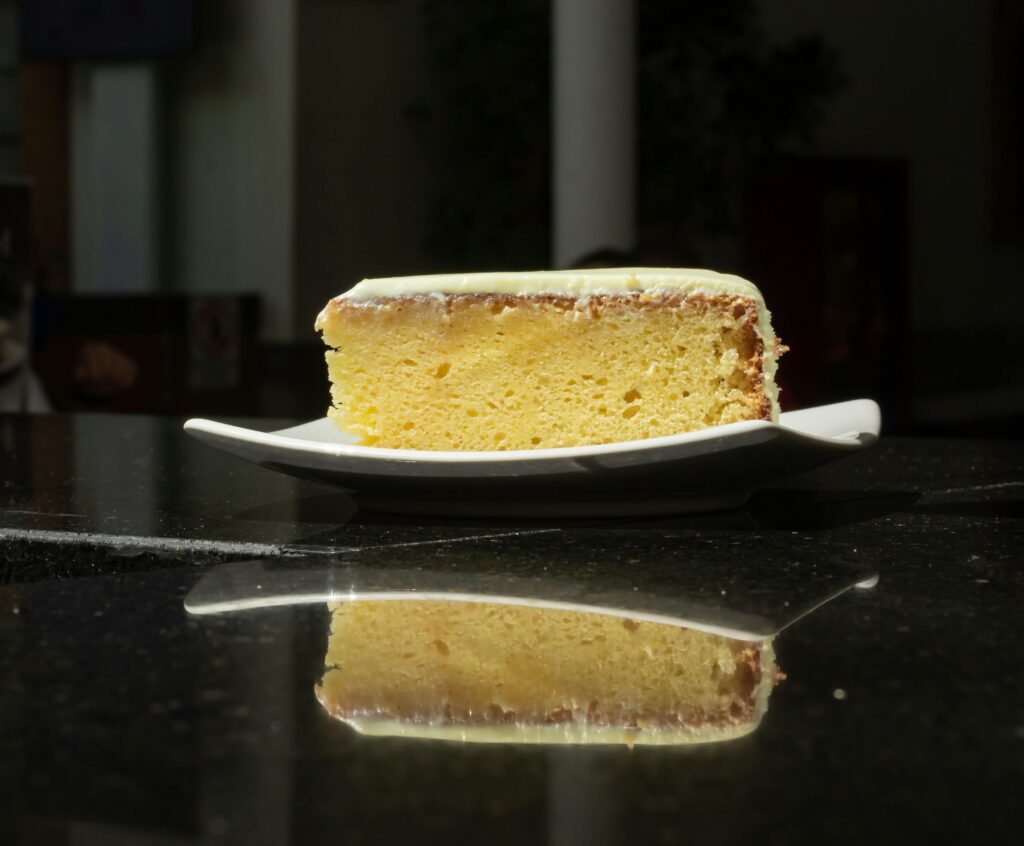
There’s something magical about the smell of fresh oranges baking in the oven. It fills the kitchen with warmth, sweetness, and that bright citrus aroma that instantly makes a home feel cozy. Whether you are baking for a birthday, a family gathering, afternoon tea, or simply because you crave something homemade, an orange cake is one of the most refreshing and satisfying desserts you can make.
Unlike heavy chocolate cakes or overly sweet vanilla sponge cakes, orange cake strikes a beautiful balance between richness and freshness. The citrus cuts through the sweetness, creating a dessert that tastes light, moist, and incredibly flavorful. Recent baking trends in 2026 also show that citrus-based cakes are becoming increasingly popular because people want desserts with natural fruit flavor instead of artificial additives.
Why Orange Cake Has Become So Popular
Orange cake has exploded in popularity over the past few years, and honestly, it’s easy to understand why. People are becoming more interested in desserts that feel fresh and natural instead of being overloaded with artificial flavorings. Citrus desserts bring brightness to the table, almost like sunshine baked into a slice of cake. Modern recipes now emphasize real fruit ingredients, especially fresh orange juice and zest, because they create a stronger and more authentic flavor.
Another reason orange cake stands out is its versatility. You can serve it plain with tea, frost it with cream cheese icing, drizzle it with glaze, or even turn it into a layered celebration cake. Some people prefer loaf-style orange cakes, while others bake them in bundt pans for a more elegant appearance. Unlike many desserts that feel too rich after a few bites, orange cake remains refreshing from the first slice to the last.
Orange cake also appeals to beginner bakers because the ingredients are simple and easy to find. Flour, sugar, eggs, oranges, and oil are staples in most kitchens. You do not need expensive equipment or professional baking skills to make a delicious cake. Even a first-time baker can create a bakery-quality dessert with the right method.
The emotional connection matters too. Orange flavor often reminds people of childhood memories, holidays, sunshine, and homemade comfort food. It’s the kind of cake that feels nostalgic while still tasting modern and exciting.
Ingredients Needed for Orange Cake
A great orange cake starts with quality ingredients. Each ingredient plays a specific role, almost like musicians in an orchestra. Remove one instrument, and the harmony changes completely. The same thing happens in baking.
Dry Ingredients
| Ingredient | Quantity | Purpose |
|---|---|---|
| All-purpose flour | 2½ cups | Gives structure |
| Baking powder | 2 tsp | Helps cake rise |
| Baking soda | ½ tsp | Improves texture |
| Salt | ¼ tsp | Balances sweetness |
| Sugar | 1 cup | Sweetness and moisture |
The flour forms the backbone of the cake, while baking powder and baking soda create that fluffy texture everyone loves. Salt may seem small, but it sharpens the citrus flavor dramatically.
Wet Ingredients
| Ingredient | Quantity |
|---|---|
| Fresh orange juice | 1 cup |
| Orange zest | 1 tbsp |
| Eggs | 3 |
| Vegetable oil | ½ cup |
| Vanilla extract | 1 tsp |
| Milk | ½ cup |
Fresh orange juice is essential. Many modern baking experts recommend avoiding bottled juice because it lacks the brightness and acidity of freshly squeezed oranges.
Optional Flavor Enhancers
You can elevate your cake using ingredients like:
- Sour cream for extra moisture
- Olive oil for Mediterranean flavor
- Cardamom for warmth
- Poppy seeds for texture
- Raisins for sweetness
- Honey glaze for shine
Modern orange cake recipes increasingly use olive oil because it keeps cakes moist longer than butter.
Kitchen Equipment You Need
You do not need a professional bakery setup to bake an orange cake. A simple kitchen works perfectly if you have the basics ready.
Essential Baking Tools
The most important tool is a reliable oven. Temperature accuracy can make or break a cake. If your oven runs too hot, the outside burns while the inside remains raw. If it’s too cool, the cake becomes dense and heavy.
You will also need:
- Mixing bowls
- Whisk or electric mixer
- Measuring cups
- Zester or grater
- Cake pan or loaf tin
- Cooling rack
- Spatula
A loaf tin is ideal for beginners because it bakes evenly and is easy to manage. Bundt pans create a more decorative presentation, especially when topped with glaze.
Choosing the Best Oranges
Not all oranges are created equal. Some are sweet, others are acidic, and some contain more juice than others. Choosing the right oranges can completely transform your cake.
Fresh vs Store-Bought Juice
Fresh orange juice wins every time. Store-bought juice often contains preservatives and added sugars that alter the flavor profile. Fresh oranges provide natural acidity and vibrant citrus notes that bottled juice simply cannot replicate.
Navel oranges are among the best choices because they are naturally sweet and juicy. Valencia oranges are another excellent option, especially if you want intense citrus flavor.
Why Orange Zest Matters
Here’s the secret many beginner bakers overlook: the strongest orange flavor is not in the juice. It’s in the zest. The outer orange skin contains aromatic oils that make the cake smell and taste extraordinary.
According to modern baking experts, zest dramatically enhances the flavor depth without adding bitterness when used correctly.
When zesting oranges:
- Avoid the white pith underneath
- Wash oranges thoroughly
- Use a fine grater
- Zest before juicing
It’s a small step that creates a huge flavor difference.
Step-by-Step Orange Cake Recipe
Now comes the exciting part — baking the cake itself.
Step 1 – Preparing the Oven and Pan
Preheat your oven to 175°C (350°F). Never skip preheating because cakes need immediate heat to rise properly. Grease your cake pan lightly with butter or oil and dust it with flour to prevent sticking.
This stage may seem boring, but preparation is like laying the foundation of a house. If the foundation is weak, everything else becomes difficult later.
Step 2 – Mixing the Dry Ingredients
In a large bowl, combine:
- Flour
- Baking powder
- Baking soda
- Salt
Whisk them together evenly. This ensures the rising agents distribute properly throughout the batter.
Many baking failures happen because ingredients were unevenly mixed. One bite tastes fluffy while another tastes dense. Proper whisking avoids this problem entirely.
Step 3 – Mixing the Wet Ingredients
In another bowl, whisk:
- Eggs
- Sugar
- Oil
- Orange juice
- Vanilla extract
- Orange zest
- Milk
Whisk until smooth and slightly frothy. The sugar should begin dissolving into the mixture.
Fresh orange zest instantly releases aroma at this stage. Your kitchen will start smelling incredible before the cake even enters the oven.
Step 4 – Combining the Batter
Slowly add the dry ingredients into the wet mixture. Fold gently using a spatula or whisk.
Do not overmix.
This is extremely important. Overmixing activates gluten in the flour, making the cake tough instead of soft. Think of cake batter like a delicate cloud. Handle it too aggressively, and the fluffiness disappears.
The final batter should look smooth, creamy, and slightly thick.
Step 5 – Baking the Cake
Pour the batter into the prepared pan evenly. Tap the pan gently on the counter to remove trapped air bubbles.
Bake for approximately 40–50 minutes depending on your oven and pan size. Insert a toothpick into the center. If it comes out clean, the cake is done.
Modern orange cake recipes often recommend avoiding opening the oven door too early because sudden temperature changes can collapse the cake.
Once baked, let the cake cool for about 15 minutes before removing it from the pan.
How to Make Orange Glaze
An orange glaze transforms a simple cake into something bakery-worthy. It adds shine, sweetness, and extra citrus punch.
Simple Orange Glaze Recipe
| Ingredient | Quantity |
|---|---|
| Powdered sugar | 1 cup |
| Fresh orange juice | 3–4 tbsp |
| Orange zest | 1 tsp |
Mix everything until smooth.
If the glaze is too thick, add more juice. If it’s too thin, add more powdered sugar.
Pour the glaze slowly over the cooled cake and let it drip naturally. Those glossy orange streaks create a beautiful homemade appearance.
Some bakers also poke tiny holes into the cake before glazing so the citrus syrup soaks inside, making the cake even more moist.
Common Mistakes When Baking Orange Cake
Orange cake is relatively simple, but a few mistakes can ruin texture and flavor quickly.
One major mistake is using too much flour. Measuring flour incorrectly creates dry cake. Spoon flour into the measuring cup instead of scooping directly.
Another common issue is overbaking. Orange cake continues cooking slightly after removal from the oven. Leaving it too long dries out the crumb and dulls the citrus flavor.
Using cold ingredients is another problem. Eggs and milk should be room temperature because they combine more evenly into the batter.
Some people also use artificial orange flavoring instead of fresh oranges. Fresh citrus always tastes brighter and more natural.
Lastly, avoid overmixing the batter. This single mistake destroys softness faster than almost anything else.
Tips for Making a Moist Orange Cake
Moisture is what separates an average cake from an unforgettable one.
One of the best moisture tricks is using oil instead of butter. Oil remains liquid at room temperature, helping the cake stay soft longer. Recent baking recipes consistently highlight olive oil and vegetable oil for maintaining moisture.
Another secret is adding sour cream or yogurt. These ingredients create a tender crumb while adding richness without heaviness.
Here are quick moisture tips:
- Use fresh juice instead of water
- Add orange syrup after baking
- Avoid overbaking
- Store cake properly
- Use room-temperature ingredients
Whole-orange cakes are especially moist because the blended fruit adds natural fiber and juice directly into the batter.
Orange Cake Variations
Orange cake can evolve into many exciting styles depending on your taste preferences.
Orange Olive Oil Cake
This Mediterranean-inspired version uses olive oil instead of butter. The result is a rich, fragrant cake with a moist and tender crumb.
Olive oil cakes have become increasingly popular because they stay fresh longer and provide a more sophisticated flavor profile.
The fruity olive oil complements citrus beautifully, almost like sunlight meeting summer breeze.
Whole Orange Cake
Whole orange cake uses the entire fruit — peel, pulp, and juice blended together.
It may sound unusual initially, but it creates incredibly deep citrus flavor. Modern Sicilian-inspired recipes have made this style extremely trendy in recent years.
The peel contributes aromatic oils while the pulp adds moisture and natural sweetness.
The result feels rustic, bold, and wonderfully homemade.
How to Store Orange Cake
Proper storage keeps your orange cake soft and flavorful for days.
At room temperature, store the cake in an airtight container for up to three days. Refrigeration extends freshness to about one week, especially if the cake contains cream cheese frosting.
If you want long-term storage, freeze slices individually wrapped in plastic film. Thaw at room temperature when ready to eat.
Interestingly, many bakers say orange cake tastes even better the next day because the citrus flavor deepens overnight.
That’s why orange cake is perfect for parties and celebrations where you need to prepare dessert ahead of time.
Conclusion
Baking an orange cake is more than following a recipe. It’s about creating warmth, comfort, and flavor from simple ingredients. Fresh oranges transform an ordinary sponge cake into something vibrant and unforgettable. The combination of sweet citrus aroma, soft crumb, and glossy glaze creates a dessert that feels both comforting and elegant at the same time.
Whether you choose a classic orange loaf, a whole orange Sicilian cake, or a Mediterranean olive oil version, the key is always freshness and balance. Use real oranges, avoid overmixing, and bake with patience. Those small details make all the difference.
The beauty of orange cake lies in its versatility. It works for breakfast, tea time, birthdays, holidays, or quiet evenings at home. One slice carries brightness and warmth in every bite, proving that sometimes the simplest cakes become the most memorable.
FAQs
1. Can I use bottled orange juice instead of fresh juice?
Yes, but fresh orange juice gives significantly better flavor and aroma. Fresh juice also contains natural acidity that improves the cake’s texture.
2. Why is my orange cake dry?
Dry orange cake usually happens because of overbaking, too much flour, or overmixing the batter.
3. Can I make orange cake without eggs?
Yes. You can substitute eggs with yogurt, applesauce, or commercial egg replacers for an eggless version.
4. Which oranges are best for orange cake?
Navel oranges and Valencia oranges are excellent choices because they are juicy, sweet, and flavorful.
5. How long does orange cake stay fresh?
Orange cake stays fresh for about 3 days at room temperature and up to 1 week refrigerated in an airtight container.